Best Practices for Trade Promotion Optimization in the Beverage Sector
The landscape for trade promotions in the beverage industry is ever-evolving. As markets become more competitive, the need for effective Trade Promotion Optimization (TPO) processes becomes paramount. This article outlines proven best practices and strategies to enhance your approach to trade promotion management.
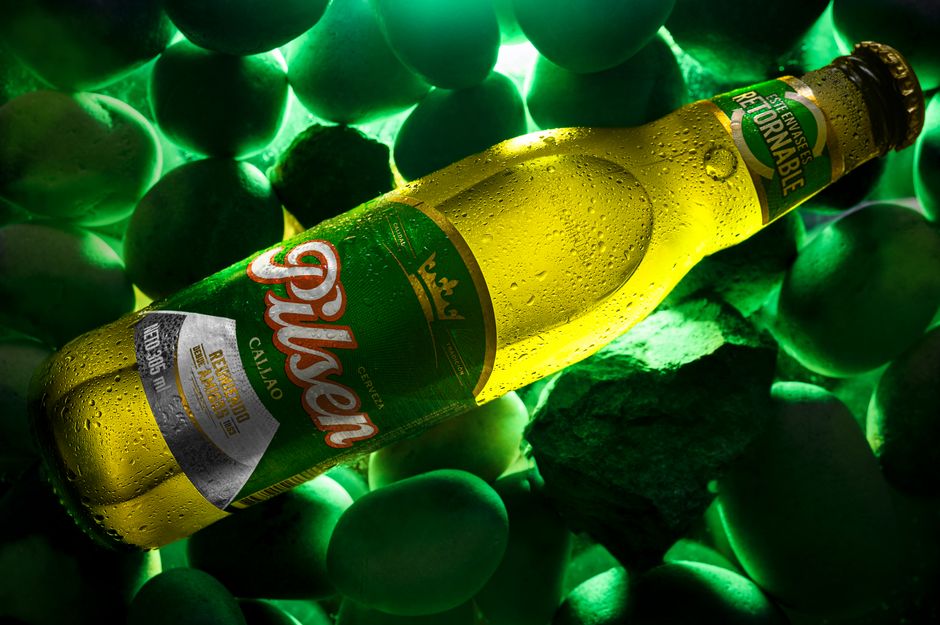
Firms such as Anheuser-Busch InBev and Dr Pepper Snapple Group have long recognized the importance of optimizing their trade promotions. By implementing comprehensive trade spend analysis techniques and focusing on promotion effectiveness, they have successfully navigated pressing market challenges. The focus here is on how to apply these best practices in your organization’s trade promotion strategy while addressing the need for a robust Trade Promotion Optimization framework.
Emphasize Data-Driven Decision Making
In today’s retail environment, relying on intuition alone is not enough. Companies must leverage data to inform their promotional strategies. This starts with effective data collection methods and integrating all available data sources, such as sales figures, customer preferences, and market conditions.
Using advanced analytics and AI can facilitate this process, allowing teams to evaluate market basket analysis rigorously. It’s essential not only to assess promotional outcomes post-campaign but also to perform ongoing adjustments based on live data.
Focus on Trade Promotion ROI and Effectiveness
An integral part of successful TPO is to consistently measure trade promotion ROI. This entails analyzing the return generated from promotions relative to the invested trade spend. Practitioners should design and execute promotions that not only appeal to customers but also offer quantifiable benefits back to the brand.
Tracking and Reporting
Real-time tracking of promotional performance provides valuable insights. By employing robust reporting mechanisms, teams can better understand the effectiveness of their trade deals. This also enables rapid adjustments to optimize results during promotional periods.
Adaptive Promotion Strategies
Static promotional strategies are less likely to succeed in the fast-moving beverage sector. Adapting your strategies based on changing consumer demands and market conditions is vital. This requires flexible promotional planning and execution, utilizing a combination of push and pull strategies tailored to the specific needs of various channels.
Artificial Intelligence in Trade Promotion Optimization
With advancements in technology, integrating AI into trade promotion optimization can revolutionize how beverage companies approach their promotions. Utilizing AI-driven insights helps with demand planning and ensures merchandise optimization and SKU rationalization.
As organizations consider their TPO strategies, they should explore how innovative AI solutions can bring about significant improvements in their approach to trade promotions, enhancing the strategic value of every dollar spent.
Conclusion
To thrive in the competitive beverage industry, embracing best practices in Trade Promotion Optimization is crucial. Through effective data utilization, measuring promotion effectiveness, and adapting approaches based on analytics, businesses can achieve consistent growth. Moreover, implementing leading-edge advancements like Generative AI Solutions can provide the necessary insights to elevate promotional strategies further.


Comments
Post a Comment