Trade Promotion Intelligence: A Complete Guide for Automotive Teams
In the rapidly evolving landscape of smart automotive systems, manufacturers and OEMs face mounting pressure to optimize their go-to-market strategies while managing complex dealer networks and promotional campaigns. Trade Promotion Intelligence has emerged as a transformative approach that leverages advanced analytics and artificial intelligence to revolutionize how automotive companies plan, execute, and measure the effectiveness of their promotional investments across channels. For teams working in vehicle systems integration and embedded software development, understanding how intelligent promotion management intersects with connected vehicle data opens new opportunities for competitive advantage.
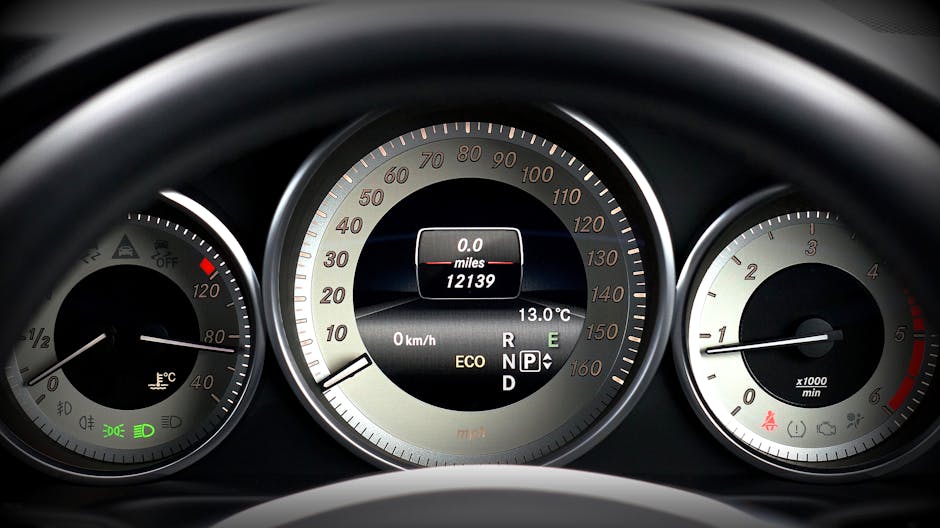
As automotive organizations increasingly embrace digital transformation across manufacturing and distribution operations, Trade Promotion Intelligence represents a critical capability that bridges traditional marketing functions with the data-rich environment of modern connected mobility. This guide introduces the fundamental concepts, explains why Trade Promotion Intelligence matters specifically for automotive businesses, and provides a practical roadmap for implementation that aligns with existing automotive systems integration practices and regulatory compliance frameworks.
Understanding Trade Promotion Intelligence in Automotive Context
Trade Promotion Intelligence refers to the systematic application of data analytics, machine learning, and predictive modeling to optimize promotional spending and dealer incentive programs. In the automotive sector, this encompasses everything from seasonal sales events and model-year clearance campaigns to dealer allocation strategies and regional market penetration initiatives. Unlike traditional promotional planning that relies heavily on historical patterns and intuition, Trade Promotion Intelligence uses real-time data processing capabilities similar to those found in ADAS systems to continuously refine promotional strategies based on market response.
For automotive professionals accustomed to rigorous requirements gathering for automotive systems and integration testing of vehicle features, Trade Promotion Intelligence applies familiar engineering discipline to the commercial side of the business. Just as sensor fusion technology combines multiple data streams to create a comprehensive view of the driving environment, Trade Promotion Intelligence aggregates data from dealer management systems, telematics platforms, customer relationship databases, and market intelligence sources to build a complete picture of promotional effectiveness.
Core Components of Trade Promotion Intelligence Systems
Effective Trade Promotion Intelligence platforms in the automotive industry typically include several integrated capabilities. Data ingestion modules collect information from diverse sources including dealer sales reports, inventory management systems, competitive intelligence feeds, and increasingly from connected vehicle data that reveals actual usage patterns and customer preferences. Analytics engines apply machine learning algorithms to identify patterns in promotional response rates across different vehicle segments, geographic markets, and customer demographics.
- Real-time dashboards that provide visibility into campaign performance metrics similar to HMI displays in vehicle cockpits
- Predictive modeling capabilities that forecast promotional ROI before budget commitment, comparable to predictive maintenance AI systems
- Automated optimization engines that recommend budget reallocation across channels and markets based on performance data
- Integration APIs that connect with existing dealer management systems and OEM enterprise resource planning platforms
- Compliance monitoring tools that ensure promotional programs adhere to regulatory requirements across different jurisdictions
Why Trade Promotion Intelligence Matters for Automotive Companies
The automotive industry faces unique challenges that make Trade Promotion Intelligence particularly valuable. Vehicle purchase cycles are measured in years rather than weeks, creating complex attribution challenges when measuring promotional effectiveness. The high ticket price of vehicles means that even small improvements in promotional efficiency can generate substantial returns. Additionally, the transition toward electric vehicles and connected mobility creates new competitive dynamics where traditional promotional approaches may not translate effectively.
Companies like Tesla have demonstrated how data-driven approaches to customer acquisition can disrupt traditional automotive retail models. Established OEMs including Ford Motor Company and General Motors are investing heavily in digital capabilities to compete effectively in this environment. Trade Promotion Intelligence provides the analytical foundation needed to make informed decisions about promotional spending in real-time, rather than discovering inefficiencies months after campaigns conclude through retrospective analysis.
Addressing Critical Automotive Pain Points
Trade Promotion Intelligence directly addresses several persistent challenges in automotive commercial operations. The pressure to accelerate development cycles to meet consumer demand extends beyond product engineering into marketing and sales operations. Promotional campaigns must be planned, executed, and optimized on compressed timelines to maintain market relevance. Intelligent systems enable faster decision cycles by automating data collection and analysis that previously required weeks of manual effort.
The high costs associated with software updates and maintenance that plague embedded systems development also affect promotional IT infrastructure. Modern Trade Promotion Intelligence platforms increasingly adopt cloud-native architectures with OTA-style update mechanisms that reduce maintenance burden while ensuring access to the latest analytical capabilities. This architectural approach mirrors the evolution occurring in vehicle systems where connected platforms enable continuous improvement without costly recall campaigns.
Getting Started: Implementation Roadmap for Automotive Teams
Successfully implementing Trade Promotion Intelligence requires a structured approach that respects the complexity of automotive organizations while delivering incremental value. The implementation roadmap shares many characteristics with software lifecycle management for embedded systems, including phased rollouts, extensive integration testing, and careful change management to ensure user adoption across dealer networks and internal commercial teams.
Organizations should begin with a comprehensive assessment of current promotional data infrastructure and analytical capabilities. This discovery phase identifies where promotional performance data currently resides, how it flows between systems, and what gaps exist in measurement capabilities. For many automotive companies, promotional data is fragmented across dealer management systems, regional marketing databases, and finance systems with limited integration. Establishing a unified data foundation represents the critical first step, often requiring custom AI solution development to bridge legacy systems and create a coherent analytical environment.
Phased Implementation Strategy
A pragmatic implementation approach divides the journey into distinct phases, each delivering measurable value while building toward comprehensive Trade Promotion Intelligence capabilities. The initial phase typically focuses on establishing visibility into current promotional spending and performance through consolidated dashboards. This mirrors the approach used in automotive software development where instrumentation and telemetry are implemented before advanced features.
- Phase 1: Data consolidation and baseline measurement - Create unified views of promotional spending and establish baseline ROI metrics across channels
- Phase 2: Predictive analytics deployment - Implement machine learning models that forecast promotional performance and identify optimization opportunities
- Phase 3: Automated optimization - Deploy systems that automatically adjust promotional parameters based on performance data and market conditions
- Phase 4: Closed-loop integration - Connect Trade Promotion Intelligence systems with dealer management platforms to enable real-time promotional execution based on analytical recommendations
Technology Selection and Integration Considerations
Selecting appropriate Trade Promotion Intelligence technology requires careful evaluation of how platforms integrate with existing automotive IT infrastructure. Key considerations include compatibility with dealer management systems commonly used in the industry, support for automotive-specific promotional mechanics like dealer holdback and volume bonuses, and scalability to handle the data volumes generated by large OEM operations spanning multiple markets and brands.
Integration architecture should follow principles familiar to professionals working on V2X communication systems and IoT platforms, with well-defined APIs, robust authentication mechanisms, and comprehensive error handling. The automotive industry's emphasis on cybersecurity applies equally to commercial systems that handle sensitive competitive information and dealer financial data. Trade Promotion Intelligence implementations must incorporate appropriate security controls comparable to those protecting connected vehicle systems.
Building Internal Capabilities and Organizational Alignment
Technology deployment represents only one dimension of successful Trade Promotion Intelligence implementation. Automotive organizations must also develop internal analytical capabilities and drive organizational change to fully leverage intelligent promotional systems. This requires investment in training for commercial teams, establishment of new analytical roles focused on promotional optimization, and evolution of decision-making processes to incorporate data-driven insights.
Companies should establish cross-functional teams that bring together marketing professionals, data scientists, and IT specialists with expertise in automotive systems integration. This collaborative model mirrors the approach used in developing ADAS features where software engineers, hardware specialists, and vehicle dynamics experts work together to deliver integrated capabilities. Regular working sessions should review promotional performance data, test hypotheses about market response, and refine analytical models based on observed outcomes.
Measuring Success and Continuous Improvement
Effective measurement frameworks for Trade Promotion Intelligence focus on both efficiency metrics and business outcomes. Efficiency indicators track how promotional spending converts into desired actions like dealer orders, retail sales, and customer inquiries. Business outcome metrics measure broader impact including market share gains, inventory turn rates, and customer acquisition costs. Together, these metrics provide comprehensive visibility into whether Trade Promotion Intelligence investments deliver value.
Continuous improvement processes should follow principles similar to those used in automated testing frameworks for automotive software. Regular analytical reviews identify opportunities to refine predictive models, expand data sources, and enhance integration with operational systems. The goal is to create a learning system that becomes more effective over time as it accumulates more data about promotional performance across different scenarios and market conditions.
Conclusion
Trade Promotion Intelligence represents a significant opportunity for automotive companies to enhance commercial effectiveness in an increasingly competitive and digital marketplace. By applying analytical rigor and machine learning capabilities comparable to those transforming vehicle engineering, organizations can optimize promotional investments, accelerate decision cycles, and achieve measurable improvements in market performance. The implementation journey requires thoughtful planning, phased execution, and ongoing organizational development, but the potential returns justify the investment for OEMs and automotive companies serious about competing effectively in the era of connected mobility. As the industry continues its digital transformation journey, integrating commercial intelligence with product innovation through capabilities like Automotive AI Integration will increasingly define competitive advantage and market leadership.


Comments
Post a Comment