Unlocking Quality: A Comprehensive Guide to AI-Driven Visual Inspection
As the manufacturing landscape continues to evolve, achieving impeccable quality control has become paramount for businesses. One of the most promising innovations in this realm is AI-Driven Visual Inspection, a technology that leverages artificial intelligence to enhance quality assurance processes. By enabling manufacturers to detect defects with remarkable speed and accuracy, this approach not only streamlines operations but also significantly reduces costs associated with high defect rates.
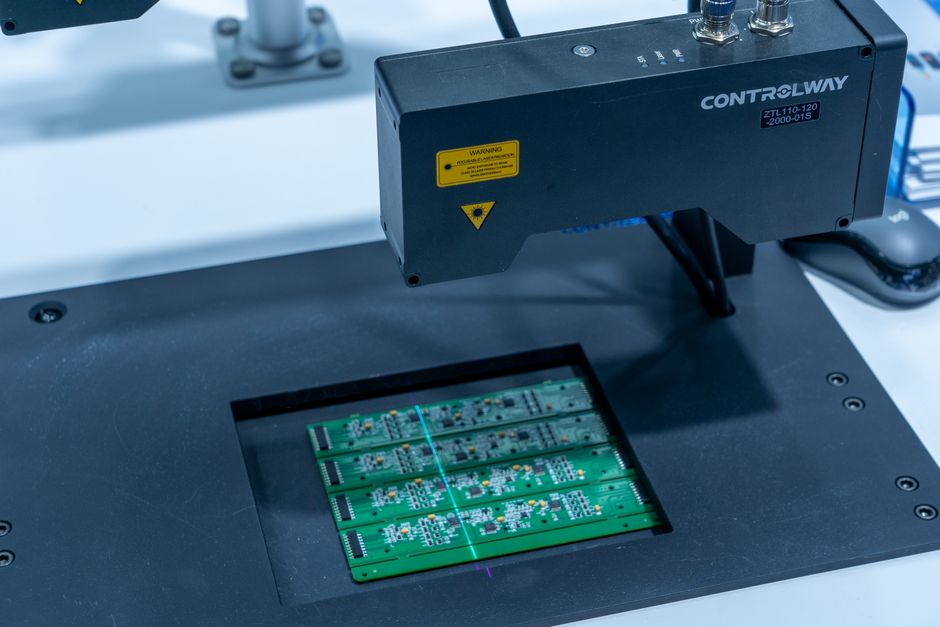
In an industry where traditional methods of quality assurance can fall short, AI-Driven Visual Inspection offers a transformative solution. Companies like Siemens and GE Appliances have successfully implemented AI technologies, leading to enhancements in First Pass Yield (FPY) and a drop in Non-Conformance Reports (NCR) across their production lines. The integration of such technologies not only addresses the challenges of maintaining consistent product quality but also aligns with Total Quality Management (TQM) principles that emphasize continuous improvement.
Understanding AI-Driven Visual Inspection
AI-Driven Visual Inspection refers to the use of machine learning algorithms and computer vision techniques to automate the inspection of products throughout the manufacturing process. This technology is able to identify defects and discrepancies without the limitations of human inspectors, who may miss subtle flaws or be inconsistent in their evaluation. By employing advanced image analysis, manufacturers can achieve a level of precision that enhances both Incoming Material Inspection and Final Product Inspection.
The primary components of an AI-driven system typically include high-resolution cameras, machine learning algorithms, and data analytics capabilities. These systems are capable of processing images at incredible speeds, identifying anomalies based on predetermined parameters, and providing real-time feedback to production teams. This rapid iteration facilitates not only proactive interventions but also informs future process optimizations.
Benefits of Implementing AI in Quality Control
- Increased accuracy in defect detection, reducing the overall defect rate.
- Enhanced real-time monitoring, allowing for immediate corrective and preventive actions (CAPA).
- Streamlined inspection processes that contribute to shorter time-to-market.
- Significant cost reductions associated with lower material waste and rework.
How to Get Started with AI-Driven Visual Inspection
To successfully integrate AI-Driven Visual Inspection within a manufacturing setup, organizations must undertake a structured approach. The first step involves identifying key quality control processes that would benefit from automation. For instance, areas such as In-Process Quality Control and Supplier Quality Management are ideal candidates for early implementation.
Next, organizations should consider collaborating with AI solution development experts. Engaging with advanced partners in this area can lead to tailored implementations that blend seamlessly with existing workflows. Assessing data requirements and ensuring compatibility with current systems is also crucial. As a reference, check out expert AI solution development to explore custom solutions specific to your needs.
Conclusion
The potential of AI-Powered Visual Quality Control in transforming manufacturing excellence cannot be overstated. As companies strive for continuous improvement, adopting AI-driven technologies will be integral to maintaining competitive edge and ensuring that quality standards meet the ever-evolving demands of consumers.


Comments
Post a Comment