Intelligent HR Automation: A Complete Guide for Talent Leaders
The Human Capital Management landscape is undergoing a fundamental transformation. Talent leaders across organizations—from growing enterprises to established platforms like Workday and ADP—are confronting challenges that traditional HRIS systems were never designed to solve. High turnover rates, intensifying competition for top talent, widening skills gaps, and the relentless pressure to make data-driven decisions have converged into a perfect storm. Manual processes that once seemed adequate now create bottlenecks in candidate sourcing, performance appraisal cycles, and workforce analytics reporting. The solution emerging across the industry combines artificial intelligence, machine learning, and process automation to fundamentally reshape how talent acquisition strategy, employee engagement, and succession planning operate.
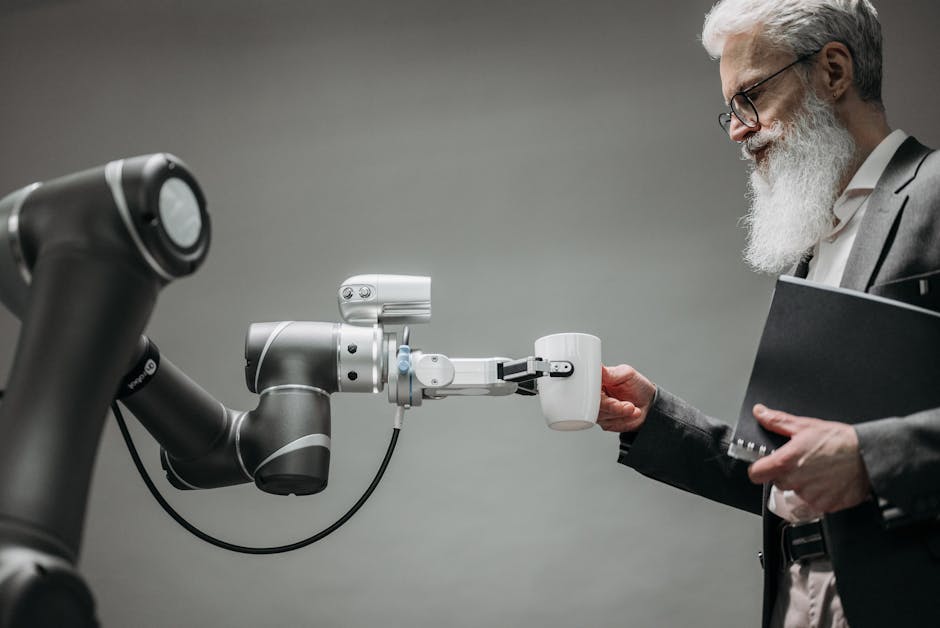
Enter Intelligent HR Automation, a paradigm shift that goes far beyond digitizing paper forms or scheduling interviews. This approach integrates AI-driven decision support directly into every stage of the employee lifecycle—from the moment a candidate enters your talent pipeline through their progression in performance management systems and eventual role in succession planning. Unlike legacy automation that simply replicated manual tasks faster, intelligent systems learn from patterns in your workforce data, predict outcomes like time-to-fill and employee lifetime value, and adapt their recommendations as your organizational needs evolve. For talent leaders just beginning this journey, understanding what these systems actually do and why they matter is the essential first step.
What Intelligent HR Automation Actually Means
At its core, Intelligent HR Automation refers to the application of artificial intelligence and machine learning technologies to augment and automate human capital management functions. This is not about replacing talent acquisition professionals or removing human judgment from performance management. Instead, it is about equipping HR teams with tools that handle repetitive, time-intensive tasks while surfacing insights that would be impossible to derive manually from workforce data.
Consider candidate sourcing and screening. Traditional approaches require recruiters to manually review hundreds of applications, assess cultural fit based on intuition, and track candidates through disparate systems. An intelligent system analyzes historical hiring data to identify which candidate attributes correlate with successful hires in specific roles, automatically screens resumes against those criteria, ranks candidates by predicted fit, and even conducts initial conversational screenings through natural language processing. The recruiter's time shifts from administrative sorting to meaningful candidate engagement and strategic talent pipeline development.
The same principle applies across workforce planning, employee retention initiatives, and learning and development frameworks. Intelligent HR Automation transforms human capital functions from reactive administrative centers into proactive strategic partners that anticipate workforce needs, identify engagement risks before they result in turnover, and personalize employee experiences at scale.
Why This Matters Now: Industry Pain Points Driving Adoption
The acceleration of Intelligent HR Automation adoption is not driven by technology trends—it is a direct response to concrete operational challenges that every talent leader recognizes. High turnover rates destabilize teams, inflate recruiting costs, and erode institutional knowledge. Organizations struggle to attract top talent when competitors offer faster, more personalized candidate experiences. The gap between current workforce skills and evolving business needs widens as transformation initiatives outpace traditional learning programs.
Employee engagement remains frustratingly elusive despite significant investment in engagement initiatives, largely because most organizations lack the real-time workforce analytics intelligence to identify disengagement signals before employees resign. Compliance with evolving labor regulations consumes disproportionate HR resources, while manual processes introduce risk of human error. Each of these pain points shares a common thread: they require processing vast amounts of data, identifying subtle patterns, and acting quickly—precisely where human capacity is limited and where intelligent systems excel.
The Data-Driven Decision Imperative
Perhaps most critically, the expectation for data-driven decision-making has shifted from aspiration to requirement. Executive teams now expect talent leaders to quantify workforce ROI, predict future hiring needs with accuracy, and demonstrate clear links between HR initiatives and business outcomes. Manual reporting and intuition-based planning cannot meet this standard. Intelligent HR Automation provides the analytical foundation that modern Human Capital Management requires, transforming workforce data into actionable intelligence.
Core Components: What These Systems Include
Understanding Intelligent HR Automation requires clarity about its functional components. While specific platforms vary—solutions from SAP SuccessFactors, Ultimate Software, and emerging specialists each have distinct architectures—most comprehensive systems include several core capabilities.
Automated Talent Acquisition
This encompasses intelligent candidate sourcing that scans multiple channels and databases to identify potential hires matching specific criteria, predictive screening that evaluates applications against success patterns, automated interview scheduling and coordination, candidate experience optimization through personalized communications, and bias detection algorithms that flag potentially discriminatory patterns in job descriptions or screening criteria. The result is dramatically reduced time-to-fill while improving candidate quality and diversity metrics.
Workforce Analytics Intelligence
These systems continuously analyze employee data to surface insights about retention risks, identify skills gaps before they impact project delivery, predict future workforce needs based on business growth patterns, benchmark compensation against market data in real time, and generate automated workforce planning scenarios. Rather than waiting for quarterly reports, talent leaders access live dashboards showing exactly where intervention is needed.
AI Performance Management
Moving beyond annual review cycles, intelligent performance management systems facilitate continuous feedback collection, analyze sentiment in 360-degree feedback to identify patterns, recommend personalized development paths based on career goals and skill assessments, flag performance issues early through behavioral analytics, and align individual goals with organizational objectives dynamically. This transforms performance management from a compliance exercise into a genuine development tool.
Learning Management Integration
Modern Learning Management Systems integrated with automation intelligence recommend training based on individual skill gaps, career aspirations, and upcoming project needs. They adapt content difficulty based on learner progress, predict certification completion rates, and automatically assign compliance training based on role changes or regulatory updates.
Getting Started: A Practical Roadmap for Implementation
For talent leaders ready to begin their Intelligent HR Automation journey, a structured approach significantly increases the likelihood of success. Rushing to implement comprehensive systems without proper foundation typically results in low adoption, questionable ROI, and organizational resistance.
Step 1: Assess Current State and Define Objectives
Begin with honest evaluation of your existing HRIS infrastructure, data quality, and process maturity. Identify specific pain points—not vague goals like "improve efficiency," but concrete targets like "reduce time-to-fill for engineering roles from 45 days to 25 days" or "increase employee Net Promoter Score from 32 to 50 within 18 months." Catalog existing data sources: applicant tracking systems, performance review records, learning histories, exit interview notes, engagement survey results. Understanding what data you have and its quality determines which automation initiatives are viable immediately versus which require data infrastructure work first.
Step 2: Prioritize Use Cases
Resist the temptation to automate everything simultaneously. Identify 2-3 high-impact, lower-complexity use cases for initial implementation. Candidate screening and interview scheduling typically offer quick wins with measurable ROI and limited change management challenges. Automated onboarding and orientation workflows similarly demonstrate clear value while building organizational confidence in intelligent systems. Reserve more complex initiatives like predictive retention modeling or comprehensive workforce planning for subsequent phases once foundational capabilities are established.
Step 3: Select the Right Technology Partner
The market offers numerous options, from comprehensive enterprise platforms to specialized point solutions. Evaluate vendors based on integration capabilities with your existing HRIS and applicant tracking systems, data security and compliance features particularly around sensitive employee information, configurability versus rigid out-of-box workflows, vendor roadmap and commitment to ongoing innovation, and transparent pricing models that account for implementation services and ongoing support. Many organizations benefit from partnering with specialists in custom AI development who can tailor solutions to unique organizational requirements rather than forcing processes to fit generic software.
Step 4: Build Cross-Functional Ownership
Intelligent HR Automation succeeds or fails based on organizational adoption, which requires genuine partnership between HR, IT, legal, and business unit leaders. Establish a steering committee with representatives from each stakeholder group. HR brings process expertise and defines success metrics. IT ensures technical feasibility, manages integrations, and addresses security requirements. Legal reviews compliance implications, particularly around algorithmic decision-making and employee data privacy. Business unit leaders validate that solutions actually address operational needs and commit to user adoption within their teams.
Step 5: Implement Iteratively with Clear Success Metrics
Launch your initial use cases in controlled pilots—perhaps within a single department or geography—before enterprise-wide rollout. Define clear success metrics aligned to your original objectives: time-to-fill reduction, cost-per-hire decrease, candidate satisfaction scores, employee engagement movement, or retention rate improvement for high-risk populations. Collect feedback religiously from both HR users and employees affected by the new processes. Use this learning to refine configurations before broader deployment. Celebrate early wins visibly to build organizational momentum.
Common Pitfalls to Avoid
First-time implementations often stumble over predictable mistakes. Avoid these common traps to accelerate your success trajectory. Do not underestimate data quality requirements—intelligent systems are only as good as the data they learn from, and garbage data produces garbage insights. Invest in data cleaning and standardization before expecting meaningful results. Do not ignore change management—the most sophisticated technology fails if employees do not understand it, trust it, or use it consistently. Plan for comprehensive training, clear communication about what the system does and does not do, and ongoing support resources.
Do not implement automation without human oversight—particularly in sensitive areas like candidate screening or performance evaluation where algorithmic bias can inadvertently perpetuate discrimination. Build review processes that ensure human judgment remains in the loop for consequential decisions. Do not neglect vendor due diligence around data security—employee data is among your organization's most sensitive assets, and a breach can be catastrophic for trust and compliance. Ensure vendors meet rigorous security standards and clearly define data ownership and usage rights.
What Success Looks Like: Expected Outcomes
Organizations that successfully implement Intelligent HR Automation typically observe measurable improvements within 6-12 months. Time-to-fill for critical roles decreases by 30-50% as screening and scheduling bottlenecks are eliminated. Cost-per-hire drops as recruiting teams focus on high-value activities rather than administrative tasks. Candidate experience scores improve as communications become more timely and personalized. Employee retention improves, particularly among high performers, as engagement risks are identified and addressed proactively rather than reactively.
Perhaps most significantly, talent leaders report shifting their time allocation from 70% administrative tasks and 30% strategic work to the inverse ratio. When intelligent systems handle routine reporting, compliance tracking, and process administration, HR professionals can focus on organizational development, culture building, strategic workforce planning, and partnership with business leaders on transformation initiatives. This elevation of the HR function from administrative center to strategic partner represents the ultimate return on Intelligent HR Automation investment.
Conclusion: Your Next Steps
The journey toward Intelligent HR Automation is not a single technology purchase—it is a strategic transformation of how your organization approaches human capital management. The challenges are real: high turnover, talent competition, skills gaps, engagement struggles, and compliance complexity will not resolve themselves. But the tools to address these challenges systematically now exist and are accessible to organizations of all sizes. Start with clarity about your specific objectives, choose initial use cases carefully, build cross-functional ownership, and implement iteratively with disciplined measurement. As your capabilities mature, explore more sophisticated applications through an AI-Powered HRIS platform that integrates intelligence across your entire talent ecosystem. The organizations that master this transition will not just optimize their HR operations—they will build sustainable competitive advantage through superior talent acquisition, development, and retention.


Comments
Post a Comment