Implementing AI-Driven Manufacturing: A Comprehensive Guide
As the manufacturing industry embraces the wave of digital transformation, AI-Driven Manufacturing has risen to prominence as a crucial aspect of that evolution. From predictive maintenance AI to the intricacies of Digital Twin Technology, there's a compelling case for integrating AI into existing manufacturing processes. This article covers everything from the foundational concepts to practical implementations, enabling manufacturers to enhance their operations considerably.
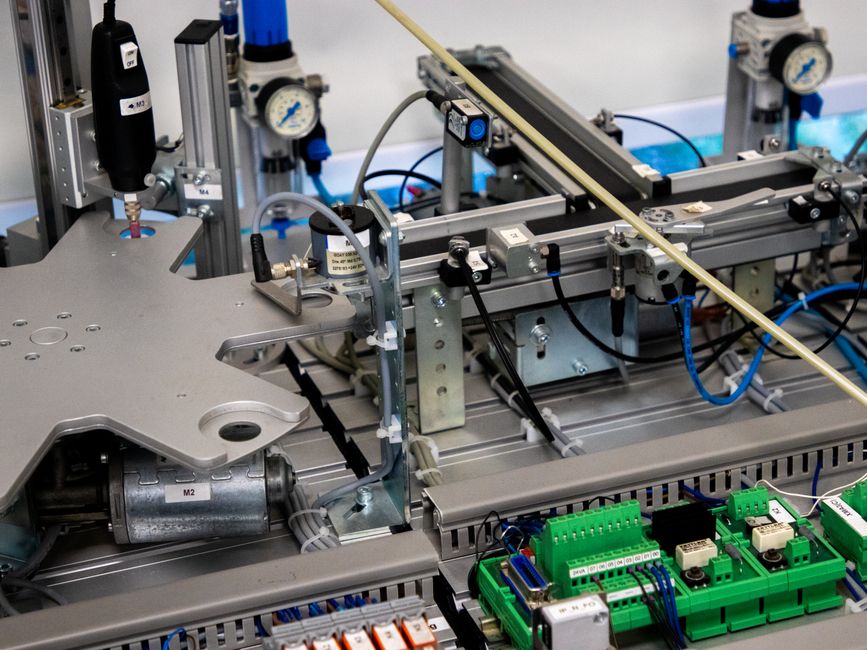
The journey toward effective AI-Driven Manufacturing begins with an understanding of the key technologies involved. By leveraging solutions like Digital Twin Technology, companies can create simulated versions of their physical products and production processes to optimize outputs and detect inefficiencies before they manifest on the production floor.
Understanding Core Concepts
Before we delve into the implementation process, let's clarify some core terms that are integral to AI-Driven Manufacturing. These include:
- Digital Twin Technology: A digital replica of physical assets, processes, or systems that can be used for simulations and optimization.
- Predictive Maintenance AI: Algorithms that analyze equipment data to predict failures before they occur, ensuring operational reliability.
- Smart Factory Optimization: The use of interconnected technologies in manufacturing to enhance efficiency through real-time data analytics.
Step 1: Conduct a Thorough Assessment
The first step towards implementing AI-driven technologies is conducting a thorough assessment of current manufacturing processes, focusing on areas such as:
- Operational efficiency
- Equipment reliability
- Cost control
- Scalability and flexibility
By utilizing tools such as Overall Equipment Effectiveness (OEE)Lean Manufacturing methodologies, you can identify specific inefficiencies and areas ripe for improvement using AI solutions.
Step 2: Establish a Digital Twin
Creating a Digital Twin of your manufacturing process allows for enhanced visualizations of workflows and identifies constraints that are otherwise difficult to detect. This foundational step aids in establishing a solid understanding of what the AI systems are analyzing and improving.
Step 3: Integrate Predictive Maintenance AI
Once the Digital Twin has been established, the next step is integrating a Predictive Maintenance AI system. Utilizing machine learning algorithms that can analyze vast amounts of operational data will help forecast potential equipment failures, thereby reducing unplanned downtime significantly. Tools like custom AI solution development can be pivotal here, enabling manufacturers to tailor their approach to their specific challenges.
Step 4: Optimize Through Real-Time Monitoring
Introducing real-time monitoring solutions will permit continuous data analysis from various segments of production. By implementing systems such as SCADA (Supervisory Control and Data Acquisition), manufacturers can monitor operations consistently, making it possible to act on data promptly. Utilizing analytics can reveal trends, peaks, and deviations from expected performance metrics.
Conclusion
In essence, moving towards Intelligent Automation Solutions enhances your manufacturing landscape substantially. By taking a step-by-step approach, your organization can decrease operational costs, improve product quality, and foster greater resilience against supply chain disruptions.


Comments
Post a Comment